Hero Image

Berries

Berries are a versatile fruit to stock because they can be used in a main dish, as an add-on, and for beverages and desserts. Learn more below about berry types and how to best purchase them for your operation. Before purchasing, discover everything you need to know about popular berry varieties; grades and standards, and storage and handling.


Page Contents

Popular Berry Varieties & Applications

 
  • Popular types of berries are strawberries, blueberries, blackberries and raspberries

  • Fresh berries are not typically sold by variety, they are typically sold according to their point of origin, whether it be domestic or imported

  • For instance, strawberries are mainly sourced from California, Mexico and Florida, depending on the time of the year; however, other imports may be utilized to support demand

Conventional berries tend to be more popular for foodservice compared to organic berries, due to better availability and lower pricing.

Berries are extremely versatile and can be used across the menu as a main ingredient, a complementary ingredient, in drinks and as garnishes. Berries complement each other both in flavor and color. Berries can typically be substituted for each other in menu applications.

Berries make great additions to meals and beverages throughout the day:

  • Add in smoothies or fruit-infused water 

  • Include on breakfast bars for topping cereal, yogurt or oatmeal, or use in overnight oatmeal

  • Add to pancake and waffle batter, after pouring batter on grill, to avoid smashing the berries or as toppings for French toast

  • Use in jams and jellies, or in crepes, pastries and pies

  • Add a sweet taste to a green salad by including berries, or use in a traditional fruit salad or fruit cup

  • Berries make attractive garnishes in cocktails, such as champagne

  • Berries lend flavor with muddling, and also add a twist to traditional cocktails, such as strawberry mojitos

  • Dip in chocolate to make a dessert or garnish

  • Stem berries are typically requested for Valentine's Day and Mother's Day
 

Berry Sizing and Packaging

VarietyPacking Types and Sizes
Strawberries


8/1 lb. trays, 4/2 lb. trays, 2/4 lb. trays

Blueberries


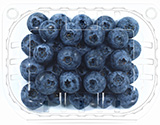
12/6 oz. clamshells per tray, 12/1 pt. clamshells per tray, 12/18 oz. clamshells per tray

Blackberries


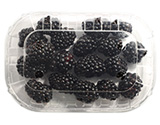
12/6 oz. clamshells per tray, 12/12 oz. clamshells per tray, 8/18 oz. clamshells per tray

Raspberries


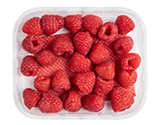
12/6 oz. clamshells per tray, 8/9 oz. oz. clamshells per tray, 6/12 oz. clamshells per tray


VarietyPrimary Applications and Attributes
Sweet Bell PepperSweet peppers are generally sold by color.
All sweet peppers are green at the immature state. As the peppers mature, they turn color.
The most predominant color for a mature sweet pepper is red, although other colors are also available including gold, purple, orange and brown.
All sweet peppers are characterized by thick flesh, bright skin color and fairly sweet flavor.
Because the sugar content increases as a sweet pepper matures, colored peppers tend to be sweeter than green peppers.
Sweet peppers are typically used as an ingredient, side dish, or entrée, and can be stuffed, sliced into rings, sliced into strips, or diced to add color to salads or dip trays or hamburger toppers.
AnaheimHeat is mild to hot
Light to dark green, or red in color
Typically slender, tapering to end
Good for stuffing or to complement egg dishes, stews and vegetable dishes
FresnoHeat is hot
Green, orange or red in color
Typically cone-shaped
May be too hot for some dishes, so often used with rice, in dips, or finely chopped in salsas or stuffing, breads and used for pickling
HabaneroHeat is extremely hot
Green, orange or red in color
Appearance is round, squat
Has subtle fruit flavors, many times hotter than the jalapeño, use only when you want very hot food
JalapeñoHeat is medium to hot
Green or red in color
Typically cone-shaped
Easy to remove the seeds, when smoked and dried called "chipotle chilis," good for Mexican recipes, guacamole and salad dressings
Poblano

Heat is mild to medium
Green or brown in color
Typically large
Used as a stuffing pepper, added to soups, sauces such as mole. Called "ancho chili" when dried

Serrano

Heat is hot
Green, red or purple in color
Typically oval, slender
Often used in Mexican sauces and salsas, relishes, flavoring in chili or stews, casseroles, egg dishes and Chinese cooking


Berry Grading


Grades of Strawberries

U.S. No. 1 STRAWBERRIES MUST MEET THE FOLLOWING REQUIREMENTS:

  • Of one variety or similar varietal characteristics with the cap (calyx) attached

  • Firm, not overripe or undeveloped

  • Free from mold or decay

  • Free from damage caused by dirt, moisture, foreign matter, disease, insects, mechanical equipment or other means

  • Each strawberry has no less than three-fourths of its surface showing a pink or red color

  • Unless otherwise specified, the minimum diameter of each strawberry is no less than ¾ inch.

U.S. COMBINATION STRAWBERRIES MUST MEET THE FOLLOWING REQUIREMENTS:

  • Consists of U.S. No. 1 and U.S. No. 2 strawberries, except for size, provided that at least 80 percent, by count, of the strawberries meet the U.S. No. 1 grade requirements

  • Unless otherwise specified, the minimum diameter of each strawberry is no less than ¾ inch.

U.S. NO. 2 STRAWBERRIES MUST MEET THE FOLLOWING REQUIREMENTS:

  • Free from decay and serious damage caused by dirt, disease, insects, mechanical or other means

  • Each strawberry has not less than one-half of its surface showing a pink or red color

  • Unless otherwise specified, the minimum diameter of each strawberry in not less than ⅝ inch.
 

Grades of Blueberries

U.S. NO. 1 BLUEBERRIES MUST MEET THE FOLLOWING REQUIREMENTS:

  • Similar varietal characteristics

  • Clean; well-colored; not overripe; not crushed, split or leaking; not wet

  • Because of size differences between varieties and the difference in size preference in various markets, there are no size requirements in the grade
  • Free from attached stems, mold, decay, insects or when there is visible evidence of the presence of insects, mummified berries and clusters

  • Free from damage caused by shriveling, broken skins, scars, green berries and other means
 

Grades of Fresh Blackberries

U.S. NO. 1 BLACKBERRIES MUST MEET THE FOLLOWING REQUIREMENTS:

  • Consists of one variety which is firm, well-colored, well-developed and not overripe

  • Free from caps (calyxes), mold and decay, and from damage caused by dirt or other foreign matter, shriveling, moisture, diseases, insects, mechanical equipment or other means

U.S. NO. 2 BLACKBERRIES MUST MEET THE FOLLOWING REQUIREMENTS:

  • Consists of one variety which fails to meet the requirements of the U.S. No. 1 grade but do not contain more than 10 percent, by volume, of berries in any lot which are seriously damaged by any cause, including not more than 2 percent for berries which are affected by mold or decay
 

Grades of Fresh Raspberries

U.S. NO. 1 RASPBERRIES MUST MEET THE FOLLOWING REQUIREMENTS:

  • Consists of one variety which are well-colored, well-developed and not soft, overripe or broken

  • Free from cores, sunscald, mold and decay, and from damage caused by dirt or other foreign matter, shriveling, moisture, diseases, insects, mechanical or other means

U.S. NO. 2 RASPBERRIES MUST MEET THE FOLLOWING REQUIREMENTS:

  • Consists of one variety which fail to meet the U.S. No. 1 grade requirements but do not contain more than 10 percent, by volume, of berries in any lot which are seriously damaged by any cause, including not more than 2 percent for berries which are affected by mold or decay
 

Berry Storage and Handling

  • Check to make sure all berries are fresh, cold and dry, without other items stacked on top of their containers

  • Don't wash berries until just before serving, and rinse strawberries with green caps attached so flavor does not get washed away

  • Berries should be kept cold until served, and are best served at room temperature to provide best flavor experience
BerryStorage Information
Strawberries
  • Strawberry caps should still be green and lush, and berries should be plump and firm, with a bright red color and natural shine
  • Avoid strawberries with green or white color, or those that appear mushy, shriveled or leaky
  • Handle strawberries with care to prevent damage, and place strawberries in the cooler immediately upon receiving
Blueberries
  • Blueberries should be blue to dark blue in color, dry with bloom (white powder still attached to the fruit)
  • Lack of bloom may indicate excessive handling
  • No shriveling pieces or stems. If exposed to high temps, shelf life will reduce significantly
Blackberries
  • Blackberries should be deep purple and plump, with no moisture in the clamshells
  • Check bottom pads for stains, which indicates before the beginning of decay or bruising. Berries should not have red cells
  • Berries with caps attached may be immature
Raspberries
  • Raspberries are the most delicate berry, since they are hollow
  • They are precooled immediately after harvest and transported in constant refrigeration because of high perishability
  • Fruit should still be firm and round; not beginning to smash
  • Shelf-life is short; therefore, product should be planned for and ordered carefully